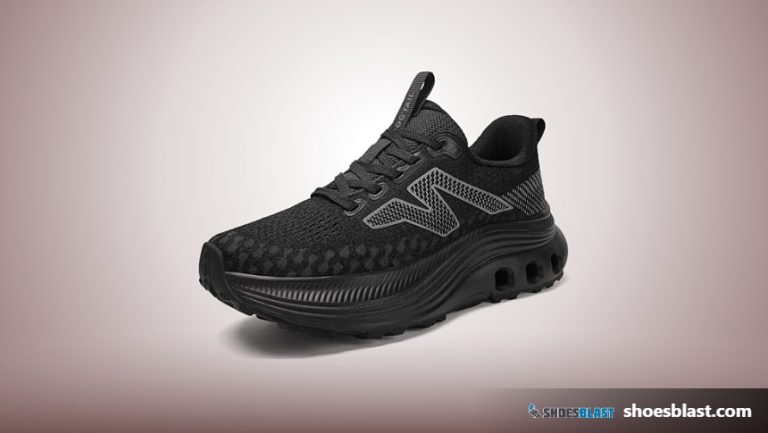
4 Best Shoes for Underpronation Women That Support Easy Daily Walks
Supportive shoes can make daily walks, workouts, and long hours on your feet feel more comfortable. Without enough cushioning, underpronation can leave the outer edges of your feet taking more impact; regular shoes may lack the soft, flexible ride that helps absorb it.
That’s where women’s shoes for underpronation can help. Their cushioned midsoles soften each step, while flexible designs let your feet move naturally. A comfortable fit also helps reduce pressure during walks and everyday errands.
Many pairs offer breathable uppers to keep feet cooler, padded collars for a secure feel, and durable outsoles for steady traction. The right cushioning can make runs and busy days feel more comfortable without restricting your stride.
Cushioning, fit, weight, and intended activity vary between models, so consider where you’ll wear them most. Explore the best shoes for underpronation women below to find a pair suited to your routine.
4 Best Shoes for Underpronation Women Reviews
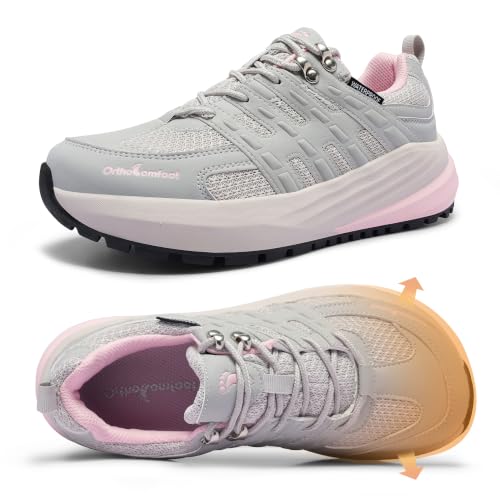
1.OrthoComfoot Trail Sneakers with Arch Support
Orthotic arch support balances arches and eases heel pain on hikes

2.Under Armour Charged+ Assert 11 Running Shoes
Charged+ midsole cushioning provides soft comfort for all-day wear

3.Brooks Ghost 17 Neutral Running Shoes
DNA Loft v3 cushioning delivers lightweight softness after every mile

4.RomenSi U22454 Arch Support Walking Shoes
Removable insoles and support blocks customize arch support for walks
1. OrthoComfoot Trail Sneakers with Arch Support
OrthoComfoot trail sneakers support women whose feet roll outward, with orthotic insoles designed to address supination and underpronation. Their arch support also aims to ease plantar fasciitis and heel pain during outdoor walks and hikes.
The built-in insoles support flat feet and high arches, while helping balance the strain associated with overpronation and supination. That support may also help reduce foot fatigue on longer hikes.
A curved rocker sole guides the foot through a rolling step on uneven trails. It is designed to ease tension around the Achilles tendon, as well as discomfort linked to metatarsalgia and instep soreness.
The waterproof upper helps keep feet dry in rain and on wet trails. Deep-lug rubber outsoles grip rock, dirt and damp ground, while the roomy toe box gives the forefoot more space and can accommodate bunions or swollen feet.
This K2-greypink pair comes in size 8.5 Wide and weighs about 1.1 pounds. The extra toe room may also help limit rubbing for people with diabetic neuropathy, though the listing does not give specific medical guidance.
Women seeking trail shoes with supination-focused arch support, a wide toe box and a waterproof upper may find these worth considering. They are aimed at outdoor use, from hiking to everyday walks on uneven terrain.
- Arch support targets supination and heel pain
- Waterproof upper helps keep feet dry on trails
- Deep-lug outsole grips rock, dirt and damp ground
- Wide toe box gives the forefoot room
- No major cons
2. Under Armour Charged+ Assert 11 Running Shoes
For runners with underpronation, this shoe offers a neutral design with cushioning and flexibility for everyday miles. Its Charged+ midsole cushions each step, while the athletic mesh upper lets the shoe suit regular training and daily wear.
The neutral setup balances flexibility and cushioning, making it a relevant option for runners who do not need a stability-focused shoe. Strategically placed flex grooves in the rubber outsole help the foot move through toe-off during a run.
Leather overlays add midfoot support and dimension to the mesh upper. That combination gives the middle of the foot extra structure while the mesh keeps the upper suited to athletic use.
The rubber outsole provides traction and is designed for durability, which matters on repeated walks or runs. At 7.7 ounces, the shoe has a light listed shoe weight for moving through workouts without adding much footwear weight.
A standard tie lace lets you adjust the fit with familiar lacing. The upper also contains at least 30% recycled content, a material detail for shoppers who consider recycled components.
This Summit White/Summit White/Khaki Base version comes in women’s size 10. It suits underpronating runners looking for a neutral shoe with cushioned steps, flexible toe-off and added midfoot support.
- Charged+ cushioning softens steps through daily runs
- Neutral design balances flexibility and cushioning
- Flex grooves support a smoother toe-off
- Leather overlays add midfoot support
- Upper contains at least 30% recycled content
- Standard tie laces need manual adjustment
3. Brooks Ghost 17 Neutral Running Shoes
One millimeter more cushioning in the heel and three millimeters more in the forefoot give the Brooks Ghost 17 a soft base for women who underpronate. Its neutral support suits road running and walking, while the nitrogen-infused DNA LOFT v3 foam keeps cushioning light.
The midsole’s flex grooves help the foot move through each step with a smoother transition toward toe-off. That can suit everyday runs, gym sessions and cross-training, while the same cushioning also works for walks and travel.
A double jacquard air mesh upper lets air circulate around the foot. The kick-back collar adds structure around the heel, and the upper follows foot movement for a snug fit during activity.
Underfoot, the rubber outsole uses recycled silica and balances durability with a responsive rebound. The shoe weighs about 1.5 pounds, so it may be worth considering for buyers who prioritize cushioning and everyday use over a particularly light pair.
This Oyster/Apricot/Pink version comes in size 9.5 Wide. Brooks identifies it as a certified carbon-neutral product; it also holds the APMA Seal of Acceptance and PDAC A5500 Diabetic shoe certification.
For women seeking neutral support for underpronation, running, walking, gym visits and travel, the Ghost 17 offers cushioned comfort across several activities. Its wide fit and added forefoot cushioning may especially suit buyers who want room and softness for regular use.
- Added heel and forefoot cushioning softens steps
- Neutral support suits underpronating runners
- Breathable mesh upper lets air circulate
- Rubber outsole offers responsive rebound
- About 1.5 pounds may feel heavy for some
4. RomenSi U22454 Arch Support Walking Shoes
Women who need arch support for long walks or time on their feet get removable insoles and a cushioned sole with these RomenSi walking shoes. Their design also targets plantar fasciitis and flat feet, though the product details do not specifically describe underpronation support.
The low-profile slope and supportive insoles aim to reduce pressure on the arch. A removable support block adds another way to adjust the footbed, which may help during long standing shifts or daily errands.
A lightweight EVA midsole cushions each step, while the rubber outsole has a non-slip tread for traction on different surfaces. The soft knit upper lets air circulate around the feet during walks, gym sessions and everyday wear.
These pink-and-purple shoes come in a women’s size 8 and weigh about 1.1 pounds. Their minimalist look works with casual outfits, workout clothes and work attire, so they can suit commuting, shopping or travel.
The package includes a pair of removable supportive insoles, and the shoes have a rocker sole, as noted in the title. This pair may suit women seeking cushioning and arch support for daily activity, especially those who stand for long hours.
- Removable insoles and support block allow adjustment
- EVA midsole cushions impact during daily walks
- Knit upper breathes, and rubber sole adds traction
- Underpronation support is not specifically described
How to Choose the Best Shoes for Underpronation Women
The right shoes for underpronation should cushion impact without forcing your foot into a different motion, and the best choice depends on fit, activity, comfort and budget. Your walking surfaces, foot shape and any ongoing pain also affect what to prioritize.
| If You Need | Look For | Expect |
|---|---|---|
| Daily walking comfort | Cushioned neutral design | More cushioning can add weight |
| Running on pavement | Flexible sole and shock absorption | Softer cushioning may feel less stable |
| Wider forefoot room | Wide sizing and roomy toe box | Wider cuts may feel loose at the heel |
| Trail walking | Grippy lugs and protective upper | Deep tread can feel stiff on roads |
| Arch comfort | Removable supportive insole | Built-in support may need adjustment |
| Heel pain relief | Cushioning and secure heel fit | Relief varies by person and cause |
Fit And Toe Room
A roomy toe box lets your toes spread as your foot bears weight, which helps reduce rubbing and pressure on longer walks. Look for roughly a thumb’s width between your longest toe and the front of the shoe.
Width matters as much as length, especially if your forefoot feels cramped in standard shoes. Try a wide option when toes press against the sides, but confirm the heel still feels secure rather than slipping.
Shop later in the day, when feet are often slightly larger, and wear the socks you expect to use. Your toes should move freely, while the midfoot and heel stay comfortably held.
Underpronation And Support
Underpronation, also called supination, means the foot rolls inward less than usual after landing. Shoes marketed as neutral typically allow natural movement, while a stiff corrective design might feel restrictive if it does not suit your stride.
Look for cushioning and a stable, comfortable platform rather than assuming you need a shoe that changes how your foot moves. A specialist fitting can help if you are unsure about your gait or experience repeated discomfort.
Arch support is personal: a shaped insole may feel helpful, but a high arch does not automatically mean you need firm support. Walk in the shoe before buying, and avoid pressure, numbness or a forced feeling under the arch.
If pain continues or affects normal activity, seek advice from a podiatrist or other qualified clinician. Shoes can improve comfort, but heel or arch pain can have different causes that footwear alone may not address.
Cushioning And Impact
Underpronators often benefit from cushioning that softens repeated landings, particularly during running or long walks. Compare how the heel and forefoot feel, since your landing pattern and usual pace affect which areas need more comfort.
A softer midsole may feel pleasant at first, but too much softness can feel unstable or tiring for some people. Choose a level that absorbs impact while still letting you walk naturally and keep your balance.
For frequent pavement running, prioritize cushioning that remains comfortable over your usual distance. Short errands usually need less underfoot padding, while longer sessions place more demands on comfort and fit.
Try a few steps at your normal pace, rather than judging the shoe while standing still. Your foot should land comfortably, with no sharp pressure or sensation that the sole tips you outward.
Activity And Terrain
Match the shoe to where you spend most of your time, because running, daily walking and trail use call for different details. A flexible road shoe suits smooth paths, while outdoor routes often need more grip and protection.
For trails, deeper rubber lugs can help with traction on loose or uneven ground, but they may feel clunky on pavement. If you split time between surfaces, look for a tread pattern that feels manageable on both.
Walking shoes often prioritize steady comfort and easy movement, while running shoes may focus on cushioning and flexibility at pace. Choose for your main activity rather than relying on a broad label such as “all-purpose.”
Water-resistant or waterproof uppers help in wet conditions, but they can feel warmer than breathable mesh. For hot weather and dry routes, airflow may matter more; for rain or damp trails, coverage can be worth the trade-off.
Flexibility And Sole Shape
Flex grooves are channels in the sole that help it bend as you step, while a rocker sole curves to encourage a rolling stride. Either design should feel natural, not push your foot through a motion you dislike.
A curved sole can make walking feel smoother for some people, but it is not automatically right for every stride. Try it on level ground and stairs, and notice whether your balance and step remain comfortable.
Sole stiffness also affects control on uneven ground. A more flexible shoe often suits smooth daily routes, while a firmer platform may feel steadier on rough paths but less natural during quick movement.
Heel Hold And Lacing
A secure heel reduces slipping and rubbing, especially during longer walks or runs. Lace the shoe snugly across the midfoot without tightening so much that the top of your foot feels pinched.
A padded collar can soften contact around the ankle, but the shoe still needs to hold your heel in place. If it lifts with each step, try another size or shape before relying on tighter lacing.
Standard laces let you adjust pressure across different parts of the foot, which helps if your instep or forefoot needs extra room. Recheck the fit while moving, since a shoe that feels fine seated may shift during a walk.
Insoles And Adjustability
A removable insole is useful if you need to use an orthotic prescribed or selected for your feet. Before buying, confirm that removing the original liner leaves enough depth and does not make the shoe feel loose.
Some designs offer added arch support or adjustable support pieces, but extra structure is not automatically more comfortable. Start with the least intrusive setup, then follow the maker’s instructions and stop if pressure or rubbing develops.
If you already wear custom orthotics, bring them when trying shoes. Their thickness and shape can change the fit, so a shoe that feels right with its original liner may not work with your insert.
Weight And Breathability
Lighter shoes can feel easier to lift during running or long walks, while extra material may add protection or durability. Compare weight alongside fit and cushioning, since a few ounces matter less if the shoe feels secure and comfortable.
Mesh uppers often allow more airflow, which can help during warm-weather exercise. Leather overlays or weather-resistant materials may add structure or coverage, but they can reduce ventilation and feel warmer.
For daily wear, prioritize the comfort of the upper against your skin. Seams, overlays and stiff edges should not rub, particularly if you plan to wear the shoes for several hours.
Price And Value
Lower-priced shoes may cover basic walking needs, while higher prices often bring more cushioning details, specialized construction or durable materials. Compare those features with your routine instead of assuming a higher cost guarantees better comfort.
Paying more is worthwhile when a specific feature addresses your needs, such as trail traction, a suitable wide fit or a removable insole for orthotics. If you walk casually on smooth surfaces, a simpler shoe may be enough.
Include replacement timing in your budget, especially if you run regularly. Cushioning and tread wear with use, so replace shoes when comfort or grip noticeably declines rather than keeping them solely because they were costly.
Care And Replacement
Let shoes dry fully after wet use, and remove loose dirt from the outsole to preserve traction. Rotating between pairs gives each shoe time to air out, though it adds upfront cost.
There is no single mileage limit that suits every walker or runner, because body weight, surfaces and gait affect wear. Watch for flattened cushioning, uneven tread or new discomfort as signs to reassess the pair.
Warranty And Returns
A clear return policy is valuable because fit and comfort are difficult to judge from a label alone. Look for enough time to try the shoes indoors, and read whether worn footwear qualifies for a return.
Warranty coverage usually addresses manufacturing faults, not normal wear or discomfort from fit. Read the terms before purchase, and keep proof of purchase in case a seam, sole or other covered part fails prematurely.
Frequently Asked Questions
Which shoes are best for hiking with heel pain?
The OrthoComfoot Trail Sneakers have orthotic arch support designed to balance arches and ease heel pain on hikes.
Which pair offers soft cushioning for all-day wear?
The Under Armour Charged+ Assert 11 uses Charged+ midsole cushioning for soft comfort throughout the day.
What makes the Brooks Ghost 17 a good option for runners?
Its DNA Loft v3 cushioning is designed to provide lightweight softness mile after mile.
Can I adjust the arch support in the RomenSi U22454?
Yes. It has removable insoles and support blocks, so you can customize the arch support for walks.
Should I choose the Brooks Ghost 17 or the Under Armour Charged+ Assert 11?
Choose the Ghost 17 if lightweight cushioning for running is your priority; consider the Assert 11 if you want soft comfort for all-day wear.
What comes in the box with the RomenSi U22454?
The listed details mention removable insoles and support blocks, but don’t specify other included items.
Are these shoes made with specific materials?
The available product details don’t list materials or construction, so check each product listing for those specifics.
So, What Should You Buy?
The Brooks Ghost 17 is the best pick for most people, with lightweight DNA Loft v3 cushioning for soft comfort mile after mile. For hiking and heel pain, choose the OrthoComfoot Trail Sneakers; for all-day cushioned comfort, consider the Under Armour Charged+ Assert 11.
Walkers who want adjustable arch support can opt for the RomenSi U22454, with removable insoles and support blocks. Choose the pair that best matches your routine and comfort needs.